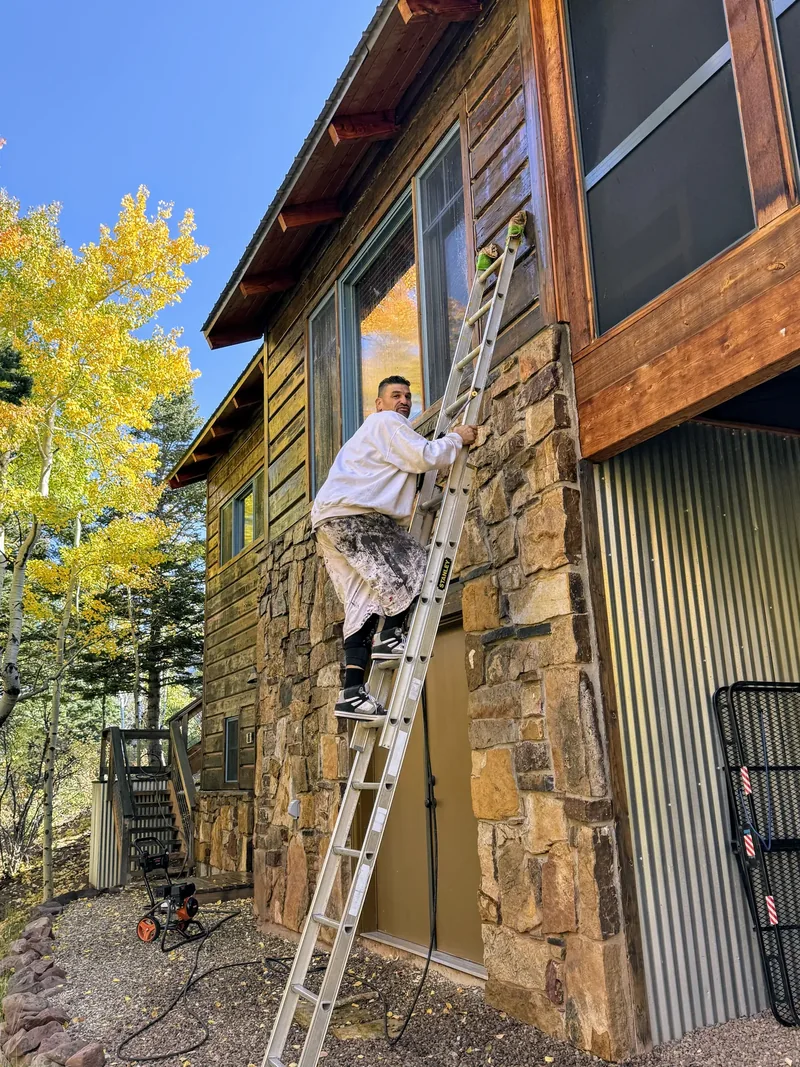
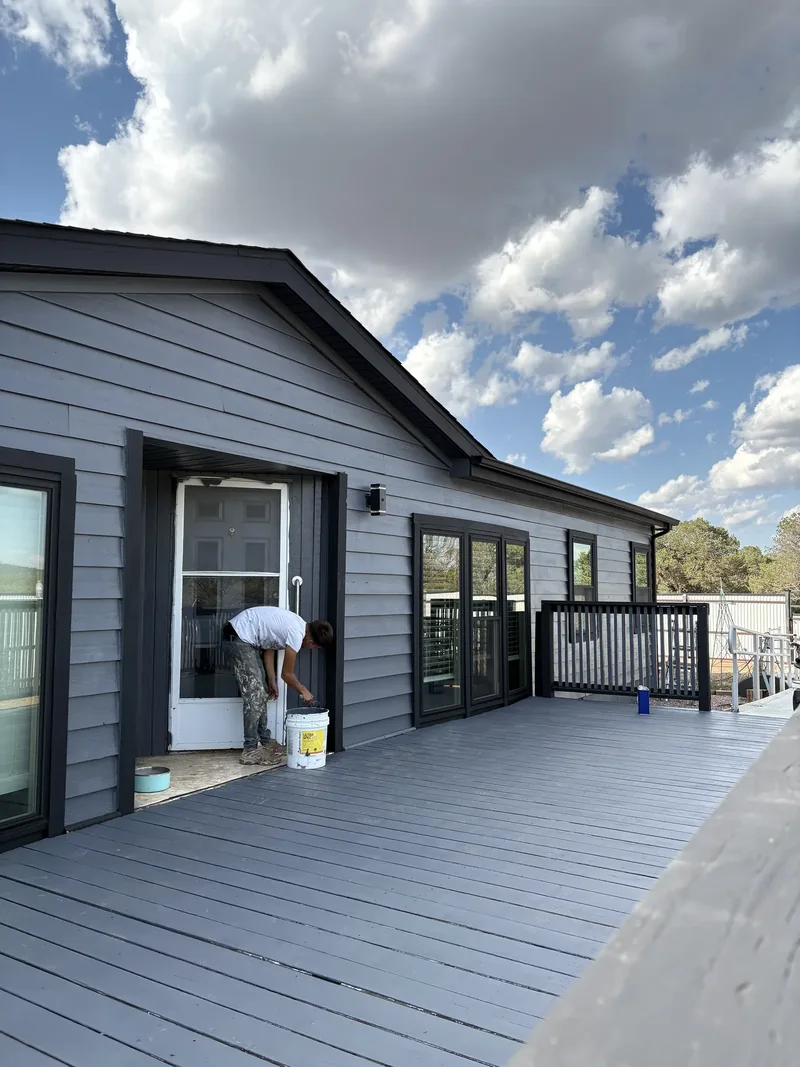
Wood staining & refinishing that protects the grain

Decks, fences, cabinets, and trim brought back to life: cleaned, prepped, and sealed to shrug off moisture, snow, and mountain sun.

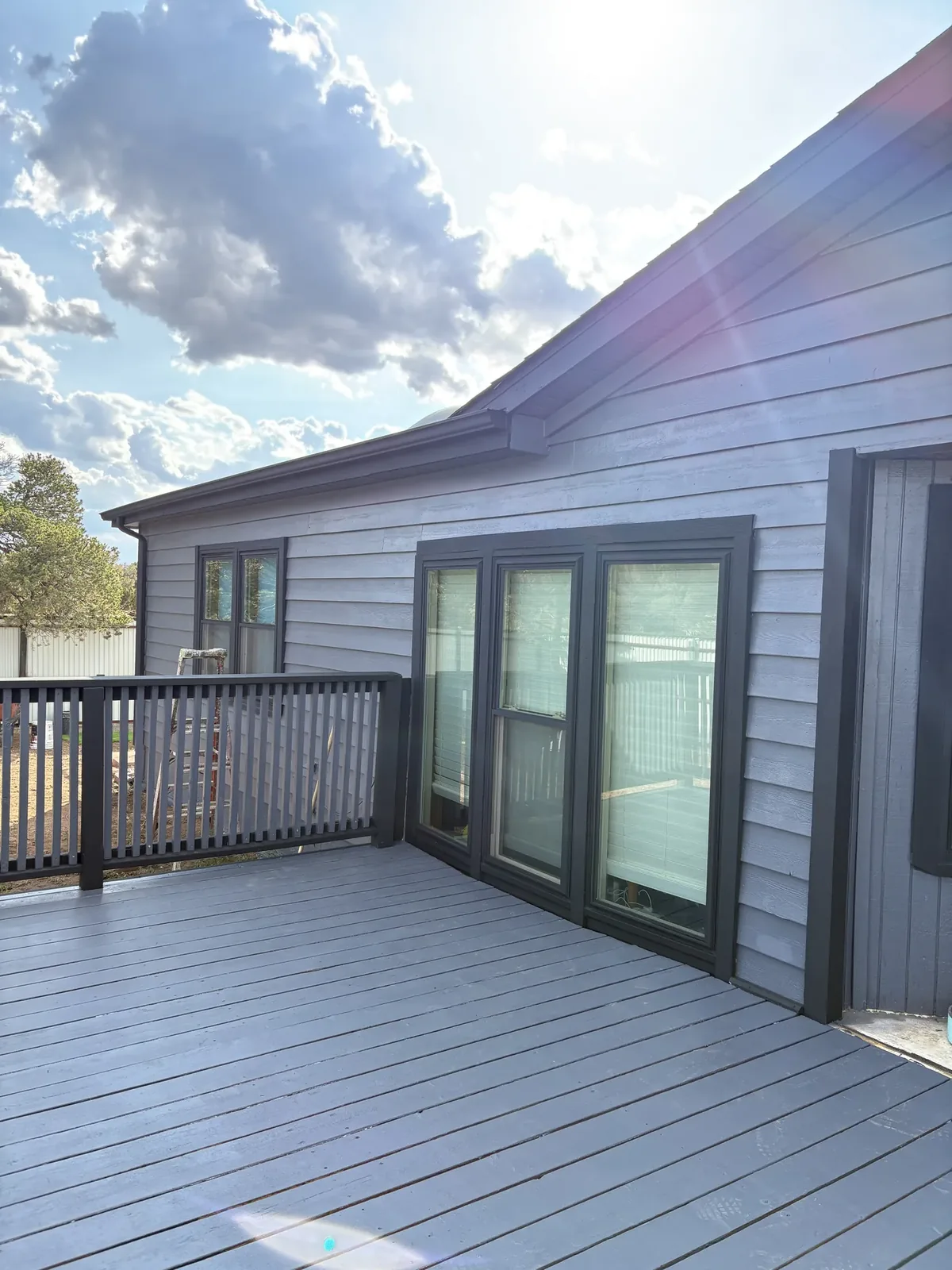
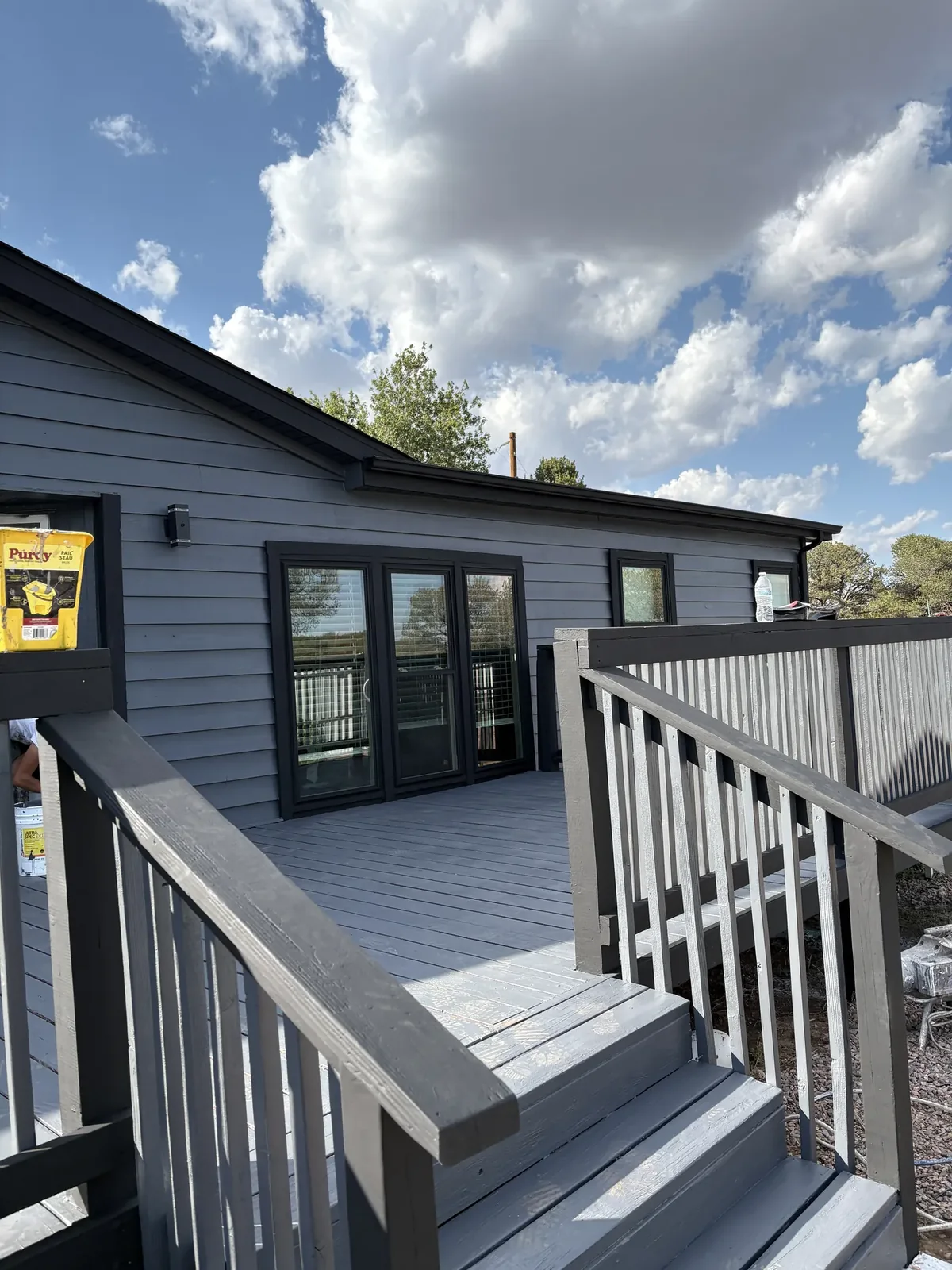
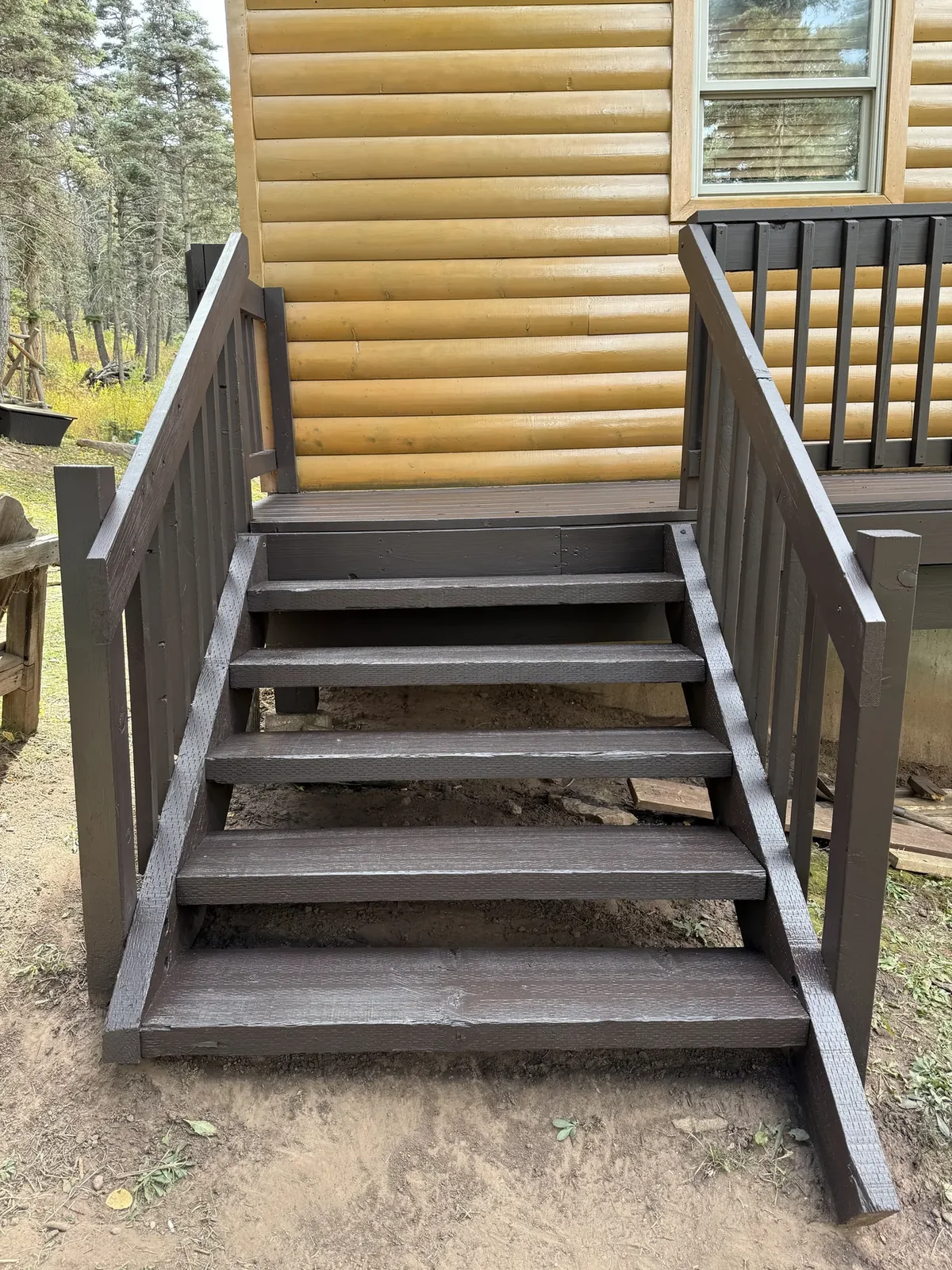
Cedar deck being sealed with a warm penetrating stain
Wood, done right

Finishes chosen for the wood, not just the color

Good staining starts with reading the wood: its species, age, and how much sun and weather it takes. Then we match the prep and the product to it, so the finish soaks in, seals, and lasts.

Bare or graying wood doesn't just look tired; unprotected boards drink up moisture, cup, and check. We stop that cycle with thorough prep and a stain system that fits the surface, whether it's a sun-baked deck, a weathered fence line, or the cabinets you look at every morning.

See stained & refinished projects
What we restore

From backyard decks to kitchen cabinets

The same care for prep and product applies whether the wood lives outdoors in the weather or indoors under daily use.

Deck & fence staining and sealing

Sun-facing deck boards, railings, and fence lines cleaned, brightened, and sealed with a penetrating finish that repels water and slows UV graying. We recommend the sheen and opacity that fits how the wood looks now.

Cabinet refinishing

Tired kitchen or bath cabinets transformed without the cost of replacement. We clean, sand, and prime the boxes and doors, then apply a hard-wearing finish in a fresh stain tone or painted color.

Interior wood trim & doors

Doors, casings, mantels, stair rails, and built-ins refinished to restore depth and warmth to the grain, then top-coated to stand up to hands, sun, and everyday wear.

Exterior wood restoration

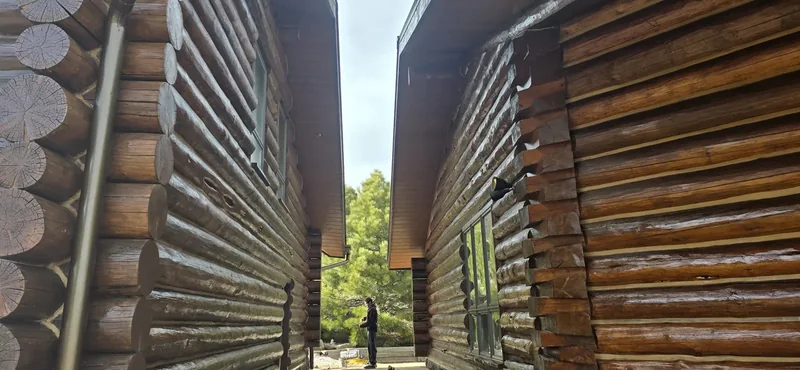
Weathered siding accents, pergolas, timber beams, and porch posts stripped or sanded back and re-finished so the natural wood reads rich again instead of silver-gray.

Choosing the finish

Semi-transparent, solid, and the sealer underneath

Not every stain is right for every board. The two big choices are how much grain you want to see and how much protection you need, and they pull in opposite directions, so we match them to your wood and your appetite for maintenance.

Semi-transparent stains

These let the wood's grain and character show through with a hint of color. They're the natural-looking choice for newer or well-kept wood. Because they carry less pigment, they weather faster on sun-exposed surfaces and want a maintenance coat sooner.

Solid stains

Solid stains lay down a richer, more uniform layer of color that masks aging and small imperfections. They give the longest UV and moisture protection, which makes them a smart pick for older, checked, or previously painted wood.

Penetrating sealers

On many decks and fences we build the system on a penetrating sealer that soaks into the wood rather than forming a surface film that can peel. Penetrating finishes wear evenly and re-coat cleanly, which keeps future maintenance simple instead of turning into a strip-and-start-over job.

  • Wood species, age, and current condition guide the recommendation.
  • Horizontal, sun-facing surfaces get the most protective option available.
  • We plan for easy re-coats, not finishes that trap you into full removal later.

How we prep

Stain is only as good as the wood beneath it

A finish can't bond to dirt, mildew, or failing old coatings. Prep is where a lasting result is won.

Assess

We check the wood's condition, moisture, and existing finish to decide between a clean-and-coat or a full strip.

Strip or sand

Failing finishes are stripped and rough or weathered wood is sanded back to a sound, receptive surface.

Clean & brighten

The wood is washed to remove grime, mildew, and graying, then allowed to dry so the stain can penetrate.

Seal & coat

We apply the chosen stain and sealer in even coats, working the finish into the grain and end cuts.

Ready when you are

Bring your wood back to life

Send us a few photos of the deck, fence, or cabinets and we'll talk through your options. Then come out to measure and quote it in person.

Wood fence freshly stained a warm tone against a mountain backdrop
Why it matters here

Snow, sun, and the slow gray-out

Mountain wood faces a punishing routine: blazing UV at altitude, snow that sits on horizontal boards for weeks, and a daily freeze-thaw cycle that works moisture into every check and crack.

Left unprotected, that combination fades wood to silver-gray, raises the grain, and opens the door to cupping and rot. A quality penetrating stain and sealer is the barrier that keeps water out and slows UV damage, and staying ahead of it with timely maintenance coats is far cheaper than replacing warped, split boards down the line.

  • Moisture defensePenetrating sealers repel snowmelt and rain before it can soak into the grain and cause cupping.
  • UV protectionPigmented stains shield the wood from the intense high-altitude sun that bleaches it gray.
  • Simple maintenanceThe right system re-coats cleanly, so upkeep is a wash and a fresh coat, not a full restoration.
Good questions

Staining & refinishing FAQs

Should I choose a semi-transparent or a solid stain for my deck?

It depends on the wood and the look you want. Semi-transparent stains let the grain show through and are ideal for newer or good-condition wood, but they need re-coating more often. Solid stains hide more of the grain and give the longest protection, which suits older or weathered boards. We walk your project and recommend the right one for how the wood looks now and how much maintenance you want later.

How often does a deck or fence need to be re-stained in Colorado?

At our elevation, expect a horizontal deck surface to need a maintenance coat every two to three years, while vertical surfaces like fences and railings last longer, often three to five years. Intense UV and snow load are hard on horizontal wood, so those flat, sun-facing boards always wear first.

Can you refinish my kitchen cabinets without replacing them?

Yes, and it's a fraction of the cost of new cabinetry. We clean, sand, and prime the boxes and doors, then apply a durable finish in the color or tone you choose. Solid-wood and quality cabinet boxes are excellent candidates for refinishing and come out looking new.

Do I need to strip old stain before you re-coat?

Not always. If the existing finish is sound and compatible, a good cleaning and light sanding is enough for a maintenance coat. When the old finish is peeling, blotchy, or a film-forming product that has failed, we strip or sand it back to sound wood so the new stain penetrates and bonds properly.

What is the best time of year to stain exterior wood?

Late spring through early fall, on dry wood, with mild temperatures and no rain in the forecast for a couple of days. Stain needs to penetrate and cure, so we avoid applying it in direct midday heat or when overnight temperatures drop too low. We time projects around the weather to give the finish the best chance to last.

Recent work

Wood we've brought back to life

From the blog

Deck restoration vs. a quick re-coat: what actually lasts. The same prep-first thinking that decides whether stained wood holds up or fails early.